home_improvement_and_tools
Blown-in Insulation Experts
Blown-in Insulation Services in Plano, TX
There is a problem hiding above your ceiling that no thermostat setting, no filter upgrade, and no equipment replacement can fix - and most North Texas homeowners do not even know it is there. Inadequate attic insulation is one of the single biggest reasons your HVAC system works harder than it should, your energy bills keep climbing, and certain rooms in your home never quite reach the temperature you set.
At Trotter Air Services, we have been working in Plano, TX attics since 1970. Over five decades and three generations of our family in the HVAC business, we have crawled through thousands of attics across North Texas - and what we find up there tells the real story of why so many homes struggle with comfort and efficiency.
Schedule Your Insulation Assessment


Get Your Free Insulation Assessment
Why Blown-in Insulation Is Critical for Your North Texas Home
Most homeowners think about their HVAC system when comfort problems arise - and that makes sense. Your air conditioner and furnace are the visible, mechanical components that actively heat and cool your home. But those systems do not operate in isolation. Every BTU of cooling your air conditioner produces and every BTU of heat your furnace generates has to stay inside your living space long enough to do its job. That is where insulation comes in - and that is where a surprising number of Plano, TX homes fall short.
The Attic Heat Problem in North Texas
The DFW Metroplex experiences some of the most demanding cooling conditions in the country. From May through October, outdoor temperatures regularly exceed 95 degrees, and triple-digit days are routine through July and August. While your thermostat reads 74 inside, the temperature in your attic can reach 140 to 160 degrees on a peak summer afternoon.
That superheated attic acts like a radiant oven sitting directly on top of your living space. The only thing standing between those extreme temperatures and your cooled rooms below is the insulation on your attic floor.
What inadequate attic insulation does to your home:
- Forces your HVAC system to run longer cycles - When heat is pouring through the ceiling, your air conditioner never reaches its setpoint efficiently. It runs extended cycles, consuming more electricity and putting additional wear on your compressor, blower motor, and other critical components.
- Creates hot spots and uneven temperatures - Rooms directly below thin or missing insulation feel noticeably warmer than the rest of the house. Bedrooms on the second floor, bonus rooms over garages, and rooms at the ends of duct runs are the most common trouble spots.
- Drives up energy costs - The Department of Energy estimates that inadequate insulation can increase heating and cooling costs by 20% to 30%. In a North Texas market where summer electricity bills can already reach several hundred dollars per month, that is a significant and entirely preventable expense.
- Shortens your HVAC equipment's lifespan - An air conditioner that runs 30% more than it needs to will wear out 30% faster. The compressor, capacitors, contactors, and blower motor all accumulate runtime hours that translate directly into maintenance needs and eventual replacement.
- Degrades indoor air quality - Gaps in insulation often correspond with air leakage paths that allow unconditioned attic air - carrying dust, allergens, and pollutants - to infiltrate your living space.
The Winter Side of the Equation
While summer cooling loads get the most attention in North Texas, inadequate insulation creates problems during winter heating season as well. When cold fronts push through the DFW area - and when ice storms like the ones that have hit in recent years bring extended periods of freezing temperatures - the heat your furnace produces rises naturally toward the ceiling. Without sufficient insulation, that expensive heated air passes right through into your cold attic, forcing your furnace to run longer and leaving your home feeling drafty and uncomfortable.
Proper insulation works in both directions: it keeps conditioned air in and unconditioned air out, regardless of the season.
How Blown-in Insulation Works
Blown-in insulation is installed using specialized pneumatic equipment that breaks insulation material into small pieces and blows them through a long hose into your attic space. The material fills cavities, settles around obstructions like ductwork, wiring, and plumbing, and creates a continuous thermal barrier across your entire attic floor. Unlike batt insulation - the pink or yellow rolls most people picture when they think of insulation - blown-in material conforms to irregular spaces, fills gaps around penetrations, and provides more consistent coverage.
Fiberglass Blown-in Insulation
Fiberglass blown-in insulation consists of tiny glass fibers that trap air pockets, creating thermal resistance. It is lightweight, non-combustible, and does not absorb moisture. Fiberglass blown-in insulation is one of the most widely used insulation materials in North Texas residential applications.
- Does not settle significantly over time
- Non-combustible with excellent fire resistance
- Will not support mold or mildew growth
- Provides consistent thermal performance across a wide temperature range
- Lightweight and does not add significant structural load to ceiling joists
Cellulose Blown-in Insulation
Cellulose blown-in insulation is made from recycled paper products treated with fire retardants and pest deterrents. It is denser than fiberglass, which gives it some advantages in air-sealing performance, and it has a slightly higher R-value per inch.
- Higher density provides better air-sealing characteristics
- Made from recycled materials for lower environmental impact
- Treated with borates for fire resistance and pest deterrence
- Slightly higher R-value per inch compared to fiberglass
- Heavier than fiberglass and may settle more over time
R-Value Requirements for North Texas
R-value measures insulation's resistance to heat flow - the higher the number, the better the insulation performs. ENERGY STAR's recommendation table for Climate Zone 3, which includes the Dallas-Fort Worth area, calls for R-49 in an uninsulated attic and R-38 added on top of an existing 3 to 4 inches. Our pre-winter attic checkup guide shows how to read those targets with a ruler, and our rebate guide covers who helps pay for the work in each city we serve.
What we commonly find in Plano, TX attics:
Many homes built in the 1970s, 1980s, and even the 1990s in Plano and surrounding areas have attic insulation levels far below current recommendations. We regularly encounter:
- Homes with original insulation at R-19 or less - roughly half of what is recommended
- Areas where insulation has settled, shifted, or been disturbed by previous work, leaving bare spots on the ceiling drywall
- Insulation that was compressed by storage items, foot traffic from service technicians, or improperly placed ductwork
- Sections near attic access points, HVAC equipment, and plumbing penetrations where insulation was removed and never replaced
- Older homes where insulation was adequate for the era's building codes but is inadequate for today's energy performance standards
The Bottom Line
Bringing your attic insulation up to R-38 or higher with blown-in insulation is one of the most straightforward improvements we can make - and the payback in energy savings and equipment longevity is substantial.
Flexible Financing Options
We believe everyone deserves a comfortable home, regardless of budget constraints. That's why we work with trusted financing providers to make quality HVAC equipment accessible to more families across Plano, TX and Greater Dallas.
A new HVAC system is a significant investment, but it's also one that pays dividends in comfort, efficiency, and peace of mind. Our financing options help you spread that investment over time while enjoying the benefits immediately.
Financing Benefits
Quick Application Process
Get approved in minutes without impacting your credit score
No Prepayment Penalties
Pay off your balance early without extra fees
Competitive Interest Rates
Multiple rate options to fit your financial situation
Deferred Interest Options
Special promotional periods available on qualifying purchases
Flexible Payment Terms
Choose monthly payments that work with your budget
Simple Online Management
Easy account access and payment options

Service Finance Company, LLC
Service Finance specializes in home improvement. Their streamlined process and competitive rates make upgrading your HVAC system easier than ever.
Apply NowWhy Plano, TX Homeowners Choose Trotter Air Services for Insulation
Plenty of companies install insulation. What sets Trotter Air Services apart is our HVAC expertise and our understanding of how insulation fits into the bigger picture of home comfort and efficiency.
50+ years serving North Texas
We have been in Plano attics since 1970. Three generations of our family have built this business on doing honest work and delivering real results for our neighbors.
HVAC-first perspective
We are not an insulation company that dabbles in HVAC. We are a full-service HVAC company that understands insulation as a critical component of your home's comfort system.
Armstrong ProTeam dealer
Our ProTeam dealer status reflects our commitment to quality, training, and customer service across everything we do - including insulation and indoor air quality services.
BBB Accredited and NATE Accredited
We hold ourselves to the highest industry standards, and our accreditations prove it. Our technicians are trained, tested, and certified.
Texas HVAC License # TACLA50795E
We are fully licensed by the State of Texas. Every project we undertake meets or exceeds applicable codes and standards.
Indoor air quality specialists
Indoor air quality is one of our core specialties. We see blown-in insulation as part of a holistic approach to healthier, more comfortable indoor environments - not just an energy-saving measure.
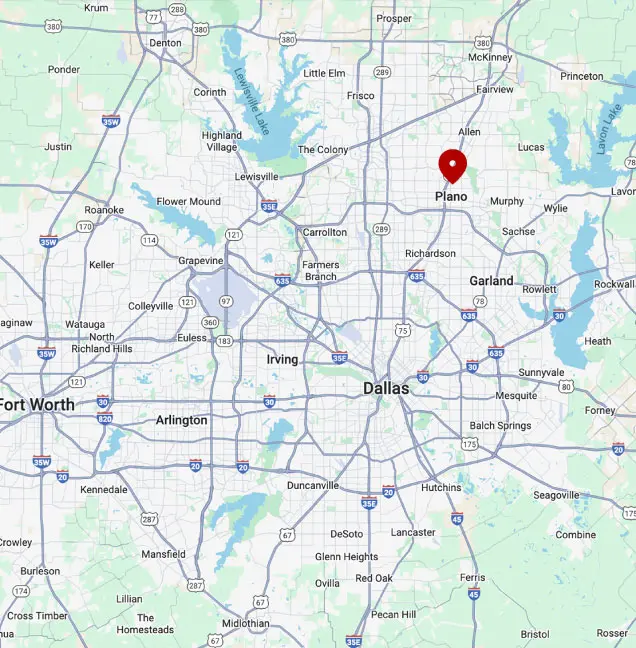
Proudly Serving Plano, TX & Greater Dallas Since 1970
For over five decades, we've been the HVAC company that Greater Dallas families call first. Our service area has grown along with the communities we serve, and today we're proud to provide expert heating, cooling, and indoor air quality services throughout the region.
When you call Trotter Air Services, you're not getting a national franchise or an out-of-town contractor who doesn't understand local conditions. You're getting a team of Dallas natives who know the unique challenges our Texas climate presents - from scorching summer heat to unexpected winter freezes.
Serving Communities Around:
Frequently Asked Questions About Blown-in Insulation in Plano, TX
If your energy bills seem higher than they should be, if certain rooms are consistently warmer or cooler than others, or if your HVAC system runs constantly without reaching the set temperature, inadequate insulation is a likely contributor. The most definitive way to know is a professional attic inspection. Our technicians measure existing insulation depth, identify bare or compressed areas, and compare your current levels to the ENERGY STAR R-38 to R-49 targets for the North Texas climate zone.
Yes. In most cases, blown-in insulation is installed directly on top of existing insulation to increase the total R-value. As long as the existing insulation is dry, undamaged, and free of contamination, it continues to provide thermal resistance and the new material simply adds to it. If we find problems with the existing insulation during our inspection, we will discuss the best approach before proceeding.
For a typical single-family home in Plano, TX, blown-in insulation installation usually takes one day. The preparation work - air sealing, baffle installation, and clearance protection - may add time depending on the condition of the attic. We provide a time estimate during the assessment so you know what to expect.
Most homeowners notice a measurable difference in comfort after insulation is added. Rooms that previously ran warm should maintain temperature more consistently, your HVAC system should cycle less frequently, and the overall temperature uniformity throughout your home should improve. The most dramatic improvements come in homes that were significantly under-insulated - which we see regularly in older Plano and North Texas homes.
Yes. Blown-in insulation provides meaningful sound attenuation, reducing noise transmission from outside your home and between floors. While sound reduction is a secondary benefit - the primary purpose is thermal performance - many homeowners appreciate the quieter indoor environment as an added bonus.
Modern blown-in insulation materials are safe for residential use. Fiberglass insulation is non-combustible and does not support mold growth. Cellulose insulation is treated with fire retardants and pest deterrents. Both materials are installed in the attic, away from your living space, and do not affect your indoor air quality. In fact, by reducing air infiltration from the attic, proper insulation actually improves your indoor air quality.
For retrofit applications - adding insulation to an existing attic - blown-in insulation is generally the superior choice. Batt insulation requires careful cutting and fitting around every obstruction in the attic, and gaps or compression dramatically reduce its effectiveness. Blown-in material flows around ductwork, wiring, plumbing, and framing to create a continuous thermal barrier without gaps. It is faster to install, provides more consistent coverage, and adapts to the irregular shapes found in real-world attics.
In most cases, yes. The Department of Energy estimates that proper insulation can reduce heating and cooling costs by 20% to 30%. The actual savings depend on your starting insulation level, your home's overall air tightness, and your HVAC system's condition and efficiency. Homes that are significantly under-insulated typically see the most dramatic energy savings.
Not when installed correctly. Proper installation includes maintaining soffit ventilation with baffles, ensuring the attic has adequate exhaust ventilation, and not blocking any existing moisture pathways. Fiberglass insulation does not absorb moisture, and treated cellulose resists moisture damage. Moisture problems in attics are almost always related to ventilation deficiencies, plumbing leaks, or HVAC issues - not the insulation itself.
We stand behind every insulation project we complete. Our work meets or exceeds the energy code requirements for North Texas, and we verify installed R-values before we leave. If you have questions or concerns about your insulation after installation, our team is a phone call away - that is the advantage of working with a family-owned company that has been in this community for over 50 years.


Let's Get Started - Better Insulation for Your Plano, TX Home
call 972-424-9233 Schedule Your Insulation AssessmentHVAC-First Approach
Your attic insulation is the first line of defense between your family's comfort and the extreme temperatures that North Texas delivers year after year. When that barrier is thin, settled, or missing in spots, everything else in your home comfort system has to work harder to compensate - and the costs add up in higher energy bills, more frequent repairs, and HVAC equipment that wears out before its time.
Three Generations of Excellence
At Trotter Air Services, we bring something to the insulation conversation that most insulation companies cannot: over 50 years of HVAC expertise. We understand how your insulation, your ductwork, your air conditioner, your furnace, and your indoor air quality systems all work together - and we make sure every improvement we recommend fits into that bigger picture.
Complete Indoor Air Quality
We are a family-owned and operated company - three generations strong - and we have been earning the trust of Plano, TX homeowners since 1970. Indoor air quality is one of our core specialties, and proper insulation is a foundational element of every healthy, efficient home we work on.